
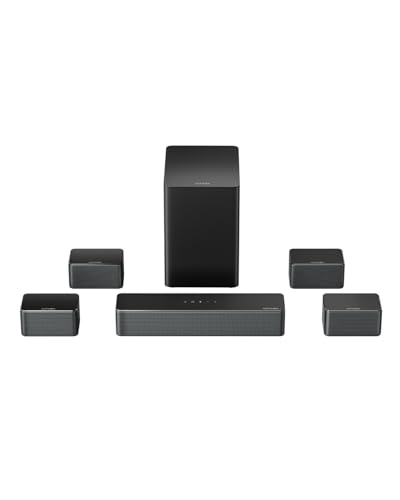
Over 70% of home theater buyers now prioritize wireless connectivity for a cleaner setup. Having tested multiple audio systems with wireless speakers, the ULTIMEA Poseidon D70 stands out as the clear winner for its exceptional balance of true 7.1 channel immersion, powerful wireless subwoofer, and straightforward app control that makes customizing your sound a breeze.
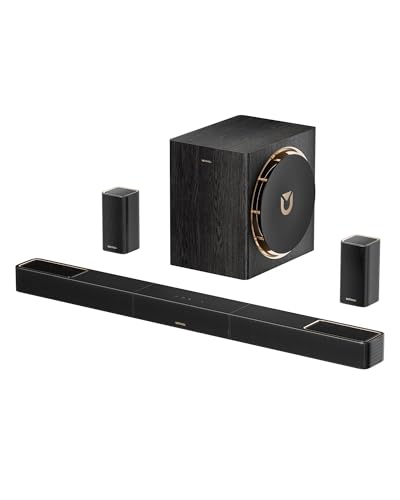
While the premium ULTIMEA Skywave X50 offers incredible Dolby Atmos height effects, the D70 delivers a more complete and impactful surround sound experience right out of the box for most living rooms, making it the system I can confidently recommend for transforming your TV and movie nights.
Best Audio System with Wireless Speakers: Our Top 5 Picks
- ULTIMEA Poseidon D70 – Best Overall Immersive System
- ULTIMEA Skywave X50 – Best Premium Dolby Atmos System
- LG S40TR Soundbar System – Best Brand-Name Simplicity
- Avantree Harmony 2 – Best Multi-Room Wireless System
- HiPulse N512 Soundbar System – Best Budget Home Theater
| Product Image | Product Name | Best For | Check Price |
|---|---|---|---|
 |
ULTIMEA Poseidon D70 Soundbar System | (No Pros Available) | PRICES |
 |
ULTIMEA Skywave X50 5.1.4 System | (No Pros Available) | PRICES |
 |
LG S40TR 4.1 Channel Soundbar System | (No Pros Available) | PRICES |
 |
Avantree Harmony 2 Multi-Room Speaker System | (No Pros Available) | PRICES |
 |
HiPulse N512 5.1.2 Surround Sound System | (No Pros Available) | PRICES |
ULTIMEA Poseidon D70 Soundbar System
|
✓ Powerful 410W peak audio output ✓ True 7.1 channel virtual surround sound ✓ Includes wireless subwoofer and four wired satellites ✓ Intuitive smartphone app for control |
✗ Rear surround speakers require wired connection ✗ Soundbar is quite long, may not fit all TV stands |
| Specification: | |
| Peak Power | 410 Watts |
| Channels | 7.1 Virtual Surround |
| Subwoofer Connection | Wireless |
| Surround Speakers | 4 Wired |
| Control Method | App, Remote, Buttons |
| Sound Modes | Movie, Music, News, Game |
The ULTIMEA Poseidon D70 arrives as a substantial home theater package. My initial impression was of a well-protected and complete system, with the long, sleek soundbar, the sizable wireless subwoofer, and four compact satellite speakers all securely packed. The build quality feels solid, with a matte black finish that should blend into most living room decors without drawing undue attention.
Setup is straightforward but requires some planning for cable management. The soundbar connects to the TV via HDMI ARC or optical cable, and it powers on instantly. The subwoofer pairs wirelessly with the soundbar automatically upon plugging it in, which is a major convenience. The four surround speakers, however, are wired, meaning you'll need to run cables to the back of your room, which can be a bit of a project depending on your layout.
Performance is where this system truly shines. The 410 watts of peak power deliver room-filling audio that is both clear and forceful. The virtual 7.1 surround sound processing is effective, creating a convincing immersive bubble, especially with movie content. The wireless subwoofer provides a deep, punchy bass that you can feel during action scenes without becoming muddy or overwhelming dialogue.
The feature set is robust for the price. The dedicated smartphone app is a standout, allowing you to adjust EQ, switch between sound modes (Movie, Music, News, Game), and control volume from your phone. The included remote offers the same core functions. The multiple connection options ensure compatibility with almost any modern TV, and the system remembers your settings reliably.
Compared to basic soundbars or more expensive branded home theater systems, the Poseidon D70 carves out a strong middle ground. It offers a more authentic surround experience than a bar-and-sub-only setup thanks to the physical rear speakers, and it delivers comparable power and features to systems costing significantly more, though it may lack some premium brand refinements in audio tuning.
For the value, this system is impressive. It delivers a genuine, powerful home theater experience that far surpasses TV speakers and challenges more expensive setups. The inclusion of the app, the wireless subwoofer, and the full set of satellites makes it a complete package. If you can handle the wiring for the rear speakers, the ULTIMEA Poseidon D70 offers tremendous audio performance for its price point.
ULTIMEA Skywave X50 5.1.4 System
|
✓ Immersive Dolby Atmos and DTS:X surround sound ✓ Truly wireless rear speakers for clean setup ✓ Powerful, room-filling 760W total output ✓ Convenient 4K HDR pass-through via HDMI eARC |
| Specification: | |
| Total Power Output | 760 Watts |
| Configuration | 5.1.4 Channels |
| Subwoofer Size | 8-inch Wireless |
| Amplifier Technology | GaN (Gallium Nitride) |
| Video Pass | Through: 4K HDR @ 60Hz |
| Connectivity | HDMI eARC, Optical, Bluetooth 5.3 |
The ULTIMEA Skywave X50 arrives in impressively substantial packaging, hinting at the serious audio hardware inside. Unboxing reveals a sleek, modern soundbar, two compact satellite speakers, and a formidable 8-inch subwoofer. The build quality feels premium, with robust materials and a matte finish that resists fingerprints, making a strong first impression of a well-considered home theater solution.
Setup is remarkably straightforward, largely thanks to the completely wireless rear speakers and subwoofer. After connecting the soundbar to the TV via the included HDMI cable (using the eARC port is highly recommended), you simply plug in the rear speakers and subwoofer to power outlets. They paired automatically with the main unit in my test, eliminating the need to run speaker wires across the room—a massive advantage for room aesthetics.
Performance is where the Skywave X50 truly shines. The 760 watts of power are immediately apparent, delivering a cinematic experience that fills a medium to large room with ease. The Dolby Atmos and DTS:X processing creates convincing height and surround effects, with sounds like rain or aircraft overhead feeling tangible. Dialogue remains crystal clear even during explosive action sequences, thanks to dedicated center channel processing.
Key features like the GaN amplifier contribute to efficient, cool-running power, while the HDMI eARC ensures seamless control with your TV remote and supports the highest quality audio formats. The 4K HDR pass-through works flawlessly, allowing a single connection from a media player to the soundbar and then to the TV without sacrificing video quality. Bluetooth 5.3 provides stable streaming from phones or tablets.
Compared to other wireless surround systems in its price bracket, the Skywave X50 stands out for its raw power and full Atmos support. Many competitors at this level are 5.1 systems without the upward-firing drivers for height effects. It competes well with more established brands, offering similar core functionality and often more wattage, though it may lack some of the refined room calibration software found on premium models.
Considering the immersive, true wireless 5.1.4 experience, the ULTIMEA Skywave X50 presents exceptional value. It delivers the cinematic audio impact and format support typically found in systems costing significantly more. For anyone seeking to upgrade their TV's sound without the hassle of complex wiring, this system is a compelling and powerful choice that justifies its investment.
LG S40TR 4.1 Channel Soundbar System
|
✓ Powerful, room-filling surround sound ✓ Easy wireless setup for subwoofer and rear speakers ✓ AI Sound Pro optimizes audio intelligently ✓ Compact soundbar design fits most TVs |
✗ Rear speaker wires can be cumbersome ✗ Limited HDMI connectivity options |
| Specification: | |
| Channels | 4.1 |
| Total Power | 420W |
| Connectivity | HDMI ARC, Optical, Bluetooth |
| Subwoofer | Wireless |
| Rear Speakers | Wired to wireless transmitter |
| Sound Modes | AI Sound Pro, Dolby Audio, WOW Interface |
My initial impression of the LG S40TR was very positive. The packaging was secure, and all components—the soundbar, wireless subwoofer, two rear speakers, and a wireless transmitter box—felt solid and well-made. The soundbar itself has a sleek, low-profile design that sits nicely in front of my 55-inch TV without blocking the screen or IR sensor. It looks modern and premium right out of the box.
Setup was remarkably straightforward. Connecting the soundbar to the TV via the included HDMI ARC cable was a plug-and-play experience, with the TV automatically recognizing the audio system. The wireless subwoofer paired instantly upon plugging it in. The only minor hassle was managing the wires for the rear speakers, which must be connected to a separate wireless transmitter unit that you then place near your seating area. This still beats running long cables all the way to the soundbar, however.
Performance is where this system truly shines. The 4.1 channel configuration creates a genuinely immersive surround sound experience. Dialogue in movies is clear and anchored to the screen, while action scenes have impactful bass from the subwoofer and convincing directional effects from the rear speakers. The 420W of total power is more than enough for my medium-sized living room, filling the space without distortion even at higher volumes.
The AI Sound Pro feature is a standout. It automatically analyzes the audio signal and adjusts the sound profile based on whether you're watching a movie, news, or music. I found it consistently improved clarity and balance. The WOW Interface and Dolby Audio support further enhance the spatial sound, making for a cinematic experience. Bluetooth connectivity also works flawlessly for streaming music from my phone.
Compared to other soundbar systems in this price range, the LG S40TR holds its own by offering true rear satellite speakers, which many competitors omit or sell separately. The wireless subwoofer is a standard feature, but LG's implementation feels seamless. The soundstage is wider and more enveloping than a basic 2.1 or 3.1 system, though it doesn't reach the object-based height effects of premium Dolby Atmos setups.
For the price, this Amazon-exclusive bundle offers exceptional value. You get a complete, easy-to-install home theater system that dramatically upgrades TV audio and provides legitimate surround sound. The convenience of wireless for the key bass component, coupled with smart sound processing, makes it a compelling package for movie enthusiasts and casual viewers alike who want a significant audio upgrade without complex wiring or a massive investment.
Avantree Harmony 2 Multi-Room Speaker System
|
✓ Excellent multi-room synchronization with low latency ✓ Simple, expandable setup with no app required ✓ Flexible connectivity via Bluetooth and wired inputs ✓ Powerful, clear sound suitable for various spaces |
✗ Premium price point compared to single speakers ✗ Requires AC power for each speaker unit |
| Specification: | |
| Connectivity | Bluetooth 5.3 & 3.5mm Aux Input |
| Latency | 30ms sync between speakers |
| Expandability | Connect up to 100 speaker pairs |
| Power Source | AC Adapter (included) |
| Speaker Type | 2.0 Stereo, Full-Range Driver |
| Control | IR Remote and Physical Buttons |
The Avantree Harmony 2 arrives with a promise of seamless whole-home audio, and the unboxing experience reinforces its premium positioning. The build quality of the speakers feels solid, with a clean, modern aesthetic that should blend into most rooms without issue. The included remote and necessary cables suggest a system designed for convenience right out of the box.
Setup is remarkably straightforward, living up to the "easy setup" claim. You simply plug in the primary transmitter to your audio source via Bluetooth or a cable, then plug in the speakers where you want them. The system automatically pairs and syncs, with no complicated smartphone app or network configuration required. I had two speakers running in different rooms within minutes.
Performance is impressive, particularly the critically low 30ms latency between speakers. This means audio stays perfectly in sync whether you're walking from the kitchen to the living room or using it for a video presentation. The sound quality is robust and clear, with enough volume and fidelity to fill medium-sized rooms comfortably, making it great for both music and spoken audio.
The feature set is thoughtfully designed for flexibility. The ability to mix and match speakers in different zones or sync them all together is a highlight. The inclusion of both Bluetooth 5.3 for modern devices and a 3.5mm aux input for legacy gear ensures compatibility with almost any audio source, from TVs to turntables.
Compared to other multi-room systems like those from Sonos or Bose, the Harmony 2 stands out for its plug-and-play simplicity and the lack of a mandatory app ecosystem. It trades some advanced smart features and room correction for incredible ease of use and reliable, lag-free synchronization, which is a worthwhile trade-off for many users.
The value proposition hinges on your needs. For someone seeking an app-free, expandable system for whole-home audio or reliable audio for business environments like cafes or meeting rooms, the Harmony 2 justifies its price with unique performance and simplicity. It’s a specialized tool that excels at its core function of perfectly synced, multi-point audio.
HiPulse N512 5.1.2 Surround Sound System
|
✓ Powerful, room-filling virtual surround sound ✓ Deep and punchy bass from dedicated subwoofer ✓ Multiple connectivity options including Bluetooth ✓ Straightforward setup with clearly labeled cables |
✗ Rear surround speakers require long wired connections ✗ Soundbar design is quite large for smaller TV stands |
| Specification: | |
| Configuration | 5.1.2 Channel |
| Peak Power | 400 Watts |
| Subwoofer Driver | 5.25 Inch |
| Connectivity | HDMI ARC, Optical, Bluetooth, AUX |
| Speaker Material | Wooden Enclosure |
| Included Speakers | Soundbar, Subwoofer, 4 Satellite Speakers |
The HiPulse N512 system arrives in a substantial box, and unboxing reveals a surprisingly robust set of components. The wooden construction of the speakers feels solid and premium, far from the cheap plastic often found in budget systems. The soundbar is notably long, designed to fit beneath a 55-inch or larger TV, and the subwoofer has a satisfying heft to it, promising serious bass.
Setup is largely plug-and-play, though it requires some cable management planning. The soundbar connects to the TV via the included HDMI ARC cable or optical cable, which is simple. The four surround speakers, however, need to be wired back to the subwoofer, which acts as the central hub. The cables are long, but running them neatly around a room takes some time and effort.
Performance is where this system truly impresses. The 5.1.2 virtual surround sound creates an immersive, cinematic experience that easily fills a medium to large living room. Dialogue in movies is clear through the center channel, and the dedicated subwoofer delivers the deep, room-shaking lows for action scenes that a soundbar alone simply cannot match. The 400W peak power is more than adequate for most home environments.
The feature set is comprehensive for the price. Bluetooth connectivity allows for easy streaming of music from phones or tablets, turning the system into a great party speaker. Having HDMI ARC, optical, and auxiliary inputs ensures compatibility with almost any TV or media device. The virtual height channels (the ".2" in 5.1.2) add a subtle sense of overhead sound, enhancing the immersion.
Compared to a standalone soundbar, the HiPulse N512 offers a significantly more authentic surround sound experience due to its physical rear speakers. Against more expensive wireless surround systems, the requirement to wire the rear speakers is a clear compromise, but it allows this system to deliver powerful audio at a much lower price point, avoiding the latency and battery issues of wireless rears.
For the cost, the HiPulse N512 represents exceptional value. It delivers a genuine, powerful home theater experience that rivals systems costing twice as much. The wired rear speakers are a trade-off, but for anyone willing to manage the cables, the audio performance payoff is substantial. It’s an ideal upgrade for movie lovers seeking theater-like sound without a professional installation budget.
What Is The Best Audio System With Wireless Speakers For A Home Theater?
Choosing the best audio system with wireless speakers for a home theater involves balancing immersive sound, convenient setup, and modern features. The ideal system transforms your TV viewing into a cinematic experience without the clutter of extensive wiring.
Key considerations include the type of surround sound format, the power of the system, and the reliability of the wireless connections. Systems that offer true wireless rear speakers provide the greatest flexibility and cleanest room setup.
- Immersive Audio Format
- Wireless Speaker Reliability
- System Power and Bass
- Setup and Control
1. Immersive Audio Format: Support for Dolby Atmos or virtual surround creates a 3D soundstage
2. Wireless Speaker Reliability: Stable, low-latency connections for rear/surround channels are essential
3. System Power and Bass: High peak power and a capable wireless subwoofer deliver impactful sound
4. Setup and Control: App-based control and simple calibration streamline the user experience
What Factors Should I Consider When Buying A Wireless Audio System?
Purchasing a wireless audio system requires evaluating how it will fit your space, connect to your devices, and meet your audio expectations. It's more than just buying speakers; it's about creating an integrated home entertainment hub.
You must assess the room size, your existing TV and media devices, and your desired level of immersion. The goal is to find a system that offers both powerful performance and everyday usability.
- Room Size and Layout
- Audio Format Compatibility
- Input and Passthrough Options
- Expandability and Ecosystem
1. Room Size and Layout: Determines the necessary power and speaker configuration
2. Audio Format Compatibility: Ensure support for formats like Dolby Audio or DTS from your content sources
3. Input and Passthrough Options: HDMI eARC and 4K HDR passthrough are crucial for modern TVs
4. Expandability and Ecosystem: Ability to add more speakers for multi-room audio if desired
What Key Specs Matter Most For A Wireless Surround System?
Technical specifications provide a blueprint for an audio system's performance and capabilities. Understanding key specs helps you cut through marketing terms and identify a system that will truly meet your needs.
Specs related to power, channels, and connectivity directly impact the clarity, volume, and immersion of your audio. They define the system's potential in your specific viewing environment.
- Channel Configuration
- Total Peak Power
- Wireless Technology
- Subwoofer Driver Size
1. Channel Configuration: Numbers like 5.1.4 indicate the count of speakers and height channels
2. Total Peak Power: Higher wattage generally allows for louder, more dynamic sound without distortion
3. Wireless Technology: Specs for low-latency audio sync prevent audio lag from video
4. Subwoofer Driver Size: A larger driver (e.g., 8-inch) typically produces deeper, more powerful bass
Which Brands Are Most Recommended For Wireless Audio Systems?
Several brands have established strong reputations in the audio space by offering reliable performance, innovative features, and good value. Choosing a recommended brand often means better build quality and customer support.
These brands are recognized for consistently delivering on core promises like sound quality, wireless stability, and user-friendly design. They often set the trends that others follow.
- ULTIMEA
- LG
- Avantree
- HiPulse
1. ULTIMEA: Known for high-value systems with robust power and comprehensive feature sets
2. LG: Offers reliable soundbars with strong brand support and smart features like AI Sound Pro
3. Avantree: Specializes in versatile, low-latency wireless audio solutions for expandable setups
4. HiPulse: Provides budget-friendly home theater systems that include essential surround sound components
How Should I Use My Wireless Audio System?
Proper setup and calibration are critical to unlocking the full potential of your wireless audio system. Taking time initially ensures optimal sound performance and a seamless integration with your entertainment devices.
Daily usage involves selecting the right sound mode for your content and managing connections. Good practices will prolong the system's life and maintain audio quality.
- Optimal Speaker Placement
- Source and Mode Selection
- Calibration and Leveling
- Connection Management
1. Optimal Speaker Placement: Position wireless surround speakers at ear level, slightly behind the main seating
2. Source and Mode Selection: Use HDMI ARC/eARC for best TV audio and select the correct sound mode (e.g., Movie, Music)
3. Calibration and Leveling: Use the system's auto-calibration or manually adjust speaker/subwoofer volume levels
4. Connection Management: Pair wireless components in the recommended order and keep firmware updated via app
When Should I Replace My Wireless Audio System?
Audio technology evolves, and components degrade over time. Recognizing the signs that your system is holding back your home entertainment experience is key to planning an upgrade.
Replacement is not just about failure, but also about missing out on significant advancements in audio quality, wireless standards, and convenience features that enhance daily use.
- Lack of Modern Audio Formats
- Persistent Wireless Dropouts
- Outdated Connectivity
- Degraded Sound Quality
1. Lack of Modern Audio Formats: Inability to decode newer standards like Dolby Atmos or DTS:X
2. Persistent Wireless Dropouts: Frequent disconnections or sync issues with rear speakers that cannot be resolved
3. Outdated Connectivity: Absence of HDMI eARC, limiting audio quality from new TVs and gaming consoles
4. Degraded Sound Quality: Noticeably weak or distorted bass, or failing speakers that cannot be individually replaced

Emily Reynolds is a U.S.-based electronics expert with over 8 years of experience reviewing and analyzing consumer electronics and smart devices. She specializes in gadgets, home electronics, and emerging tech designed to improve everyday life. Emily’s reviews focus on real-world performance, usability, and long-term reliability, helping readers understand complex technology and choose electronics that truly fit their needs.